Women of Pre-Colonial Africa

Before European powers drew their lines on the map, African women ruled kingdoms, commanded armies, and controlled trade routes. Queens, warriors, and spiritual leaders whose authority nobody questioned. These profiles reach back to ancient Egypt, medieval Angola, and the Yoruba and Ashanti kingdoms.

14 women from the Pre-Colonial era

Portrait of Abla Pokou, Côte d'IvoirePre-Colonial

Abla Pokou

Côte d'Ivoire · 1700–1760

Ashanti princess who led a breakaway people west across the Comoé River during an 18th-century succession war and founded the Baoulé, today one of Côte d'Ivoire's largest nations. Her legend of a mother's terrible sacrifice at the river is one of West Africa's most retold origin stories.

Political leadershipCultural preservation +2
Portrait of Amina of Zazzau, NigeriaPre-Colonial

Amina of Zazzau

Nigeria · 1533–1610

16th-century warrior queen of Zazzau (modern Zaria, Kaduna State, Nigeria). Led 34 years of military campaigns, expanded the Hausa kingdom's territory to its largest ever extent, and built the defensive earthwork walls still called 'Amina's walls' today. The most celebrated female military leader in West African history.

Military leadershipPolitical power +2
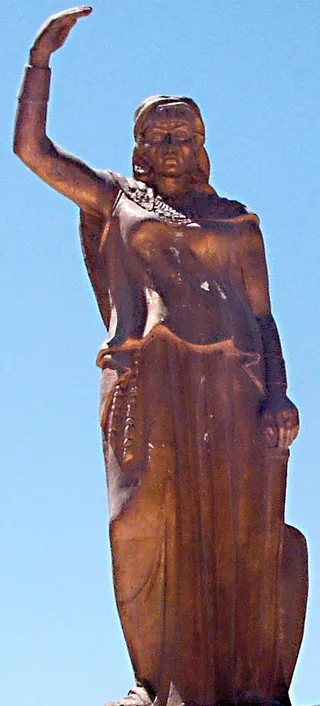
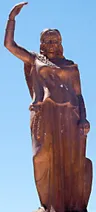
Portrait of Dihya, AlgeriaPre-Colonial

Dihya

Algeria · 650–703

Berber warrior queen and military leader who commanded a coalition of North African tribes against the Arab conquest of North Africa in the late 7th century. She held off one of the most powerful military forces in the medieval world for years. Also known as Kahina, meaning prophetess, she remains one of the most celebrated symbols of Algerian and Berber identity.

Military leadershipAnti-colonialism +2
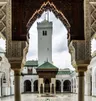
Portrait of Fatima al-Fihri, MoroccoPre-Colonial

Fatima al-Fihri

Morocco · 800–880

Tunisian-born founder of al-Qarawiyyin in Fez, Morocco, recognised by UNESCO and Guinness World Records as the oldest existing, continually operating university in the world.

EducationReligious leadership +1
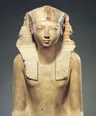
Portrait of Hatshepsut, EgyptPre-Colonial

Hatshepsut

Egypt · 1507–1458

Ancient Egyptian pharaoh who ruled one of the most powerful empires in the world for over 20 years, around 3,500 years ago. She launched great trade expeditions, built some of Egypt's most magnificent monuments, and was so threatening to those who came after her that they tried to erase her from history entirely. They failed.

Political powerTrade +2
Portrait of Kandake Amanirenas, SudanPre-Colonial

Kandake Amanirenas

Sudan · -60–-10

Queen of the Kingdom of Kush who led her armies against the Roman Empire, famously defeating Roman forces in battle and negotiating a peace treaty that kept her kingdom independent for generations.

Sovereignty & independenceDiplomacy & military strategy +1
Portrait of Kimpa Vita, Democratic Republic of the CongoPre-Colonial

Kimpa Vita

Democratic Republic of the Congo · 1684–1706

Kongolese prophet who led a religious and political movement to reunify the Kingdom of Kongo, claiming to be possessed by Saint Anthony. Burned at the stake at 22.

Spiritual leadershipAnti-colonial activism +2
Portrait of Manthatisi, LesothoPre-Colonial

Manthatisi

Lesotho · 1781–1836

Warrior queen and regent of the Batlokwa who led tens of thousands through the upheaval of the Difaqane, becoming the most feared military leader in the southern African interior. Legend turned her into a one-eyed giant; history records a shrewd ruler who once bluffed an entire army into retreat.

Diplomacy & military strategyWomen's leadership +1
Portrait of Moremi Ajasoro, NigeriaPre-Colonial

Moremi Ajasoro

Nigeria · 1100–present

Legendary Yoruba queen from the ancient city of Ile-Ife who sacrificed everything, including her only son, to save her people from capture and suffering. She is one of the most celebrated heroines in Yoruba history and her story has been told for almost a thousand years.

SacrificeCommunity protection +2
Portrait of Nana Asma'u, NigeriaPre-Colonial

Nana Asma'u

Nigeria · 1793–1864

Scholar, poet, and educator in the Sokoto Caliphate who built one of the earliest known systems of women's education in West Africa, training female teachers who carried learning into rural communities.

Women's educationScholarship & literature +2
Portrait of Nzinga of Ndongo and Matamba, AngolaPre-Colonial

Nzinga of Ndongo and Matamba

Angola · 1583–1663

Queen of Ndongo and Matamba who resisted Portuguese colonisation and the slave trade for four decades through diplomacy, alliance-building, and military leadership.

Sovereignty & independenceAnti-colonial resistance +2
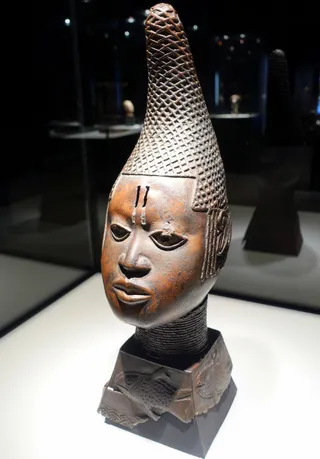
Portrait of Queen Idia of Benin, NigeriaPre-Colonial

Queen Idia of Benin

Nigeria · 1460–1520

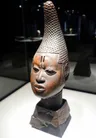
Powerful 15th/16th-century Queen Mother of the Benin Kingdom (modern Nigeria). The first woman to hold the title of Iyoba (created for her by her son, Oba Esigie) in recognition of her military and political role in securing his throne. Her face lives on in the iconic Benin ivory mask, now at the British Museum, and at the centre of a decades-long repatriation debate.

Political powerWomen's sovereignty +2
Portrait of Tin Hinan, AlgeriaPre-Colonial

Tin Hinan

Algeria · Unknown

Legendary 4th-century Tuareg queen and ancestral mother of the Kel Ahaggar confederacy, whose tomb in the Algerian Sahara remains one of the most significant archaeological discoveries in North African history.

LeadershipNation-building +1
Portrait of Yennenga, Burkina FasoPre-Colonial

Yennenga

Burkina Faso · 1100–present

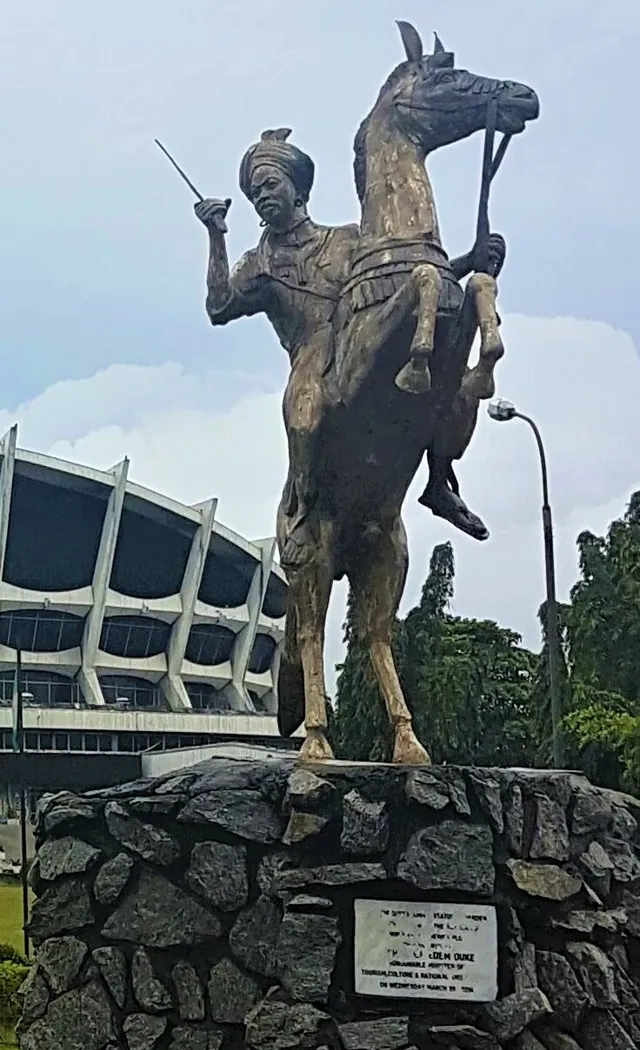
Legendary warrior princess remembered as the mother of the Mossi people of Burkina Faso. A horsewoman and soldier who refused the life mapped out for her, she rode into the wilderness and into the founding story of a nation.

Women's leadershipDiplomacy & military strategy +1