African Women Who Led Nations

Presidents, prime ministers, ministers, and parliamentarians. These women did not just enter politics; they ran it. Their careers show how much can change when a woman holds real power and how hard the resistance can be.

15 women in the archive

Portrait of Abla Pokou, Côte d'IvoirePre-Colonial

Abla Pokou

Côte d'Ivoire · 1700–1760

Ashanti princess who led a breakaway people west across the Comoé River during an 18th-century succession war and founded the Baoulé, today one of Côte d'Ivoire's largest nations. Her legend of a mother's terrible sacrifice at the river is one of West Africa's most retold origin stories.

Political leadershipCultural preservation +2
Portrait of Ameenah Gurib-Fakim, MauritiusContemporary

Ameenah Gurib-Fakim

Mauritius · 1959–present

Mauritian biodiversity scientist who became the sixth President of Mauritius (2015–2018) and the first woman to hold the office. A world-leading researcher in medicinal plants of the Mascarene Islands, she has bridged science, politics, and advocacy for women and the environment.

SciencePolitical leadership +2
Portrait of Elizabeth of Toro, UgandaModern

Elizabeth of Toro

Uganda · 1936–present

Ugandan princess of Toro who became East Africa's first female barrister and one of the first Black supermodels, then served as Idi Amin's foreign minister until she defied him and had to flee for her life. She rebuilt herself as a respected ambassador.

Political leadershipHuman rights +2
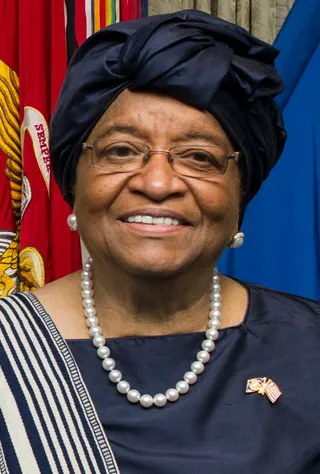
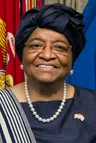
Portrait of Ellen Johnson Sirleaf, LiberiaModern

Ellen Johnson Sirleaf

Liberia · 1938–present

Harvard-trained economist who became Africa's first elected female head of state, serving as President of Liberia from 2006 to 2018 and rebuilding a country shattered by 14 years of civil war.

Political leadershipDemocracy +2
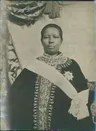
Portrait of Empress Zewditu, EthiopiaColonial

Empress Zewditu

Ethiopia · 1876–1930

Empress of Ethiopia from 1916 to 1930, the first woman to head an internationally recognised African state in modern history. She preserved Ethiopian sovereignty during the scramble for Africa.

Political leadershipSovereignty & independence +1
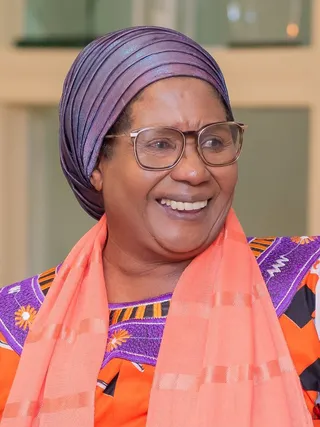
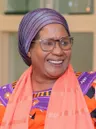
Portrait of Joyce Banda, MalawiContemporary

Joyce Banda

Malawi · 1950–present

Malawian politician who became the first female president of Malawi and only the second female head of state in African history. She rose from humble beginnings to lead a country through a genuine economic crisis, and never stopped fighting for women and girls.

Political leadershipWomen's rights +2
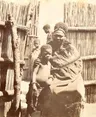
Portrait of Labotsibeni Gwamile Mdluli, EswatiniColonial

Labotsibeni Gwamile Mdluli

Eswatini · 1858–1925

The formidable queen regent known as Gwamile, 'the indomitable', who ruled Swaziland through its harshest colonial decades, financed early Black South African nationalism, and preserved the monarchy for her grandson Sobhuza II.

Political leadershipEducation +2
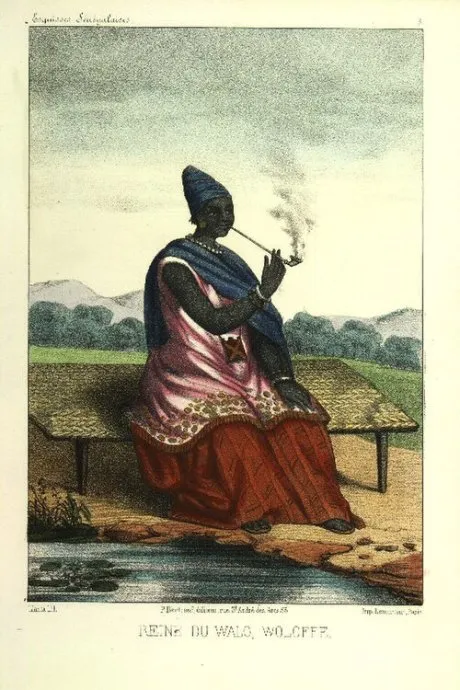
Portrait of Ndaté Yalla Mbodj, SenegalColonial

Ndaté Yalla Mbodj

Senegal · 1810–1860

The last great queen of Waalo in northern Senegal, who governed, taxed and went to war against French expansion in the 1850s. Defeated but never forgotten, she is one of Senegal's enduring symbols of resistance and female sovereignty.

Anti-colonial resistancePolitical leadership +2
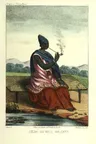
Portrait of Nzinga of Ndongo and Matamba, AngolaPre-Colonial

Nzinga of Ndongo and Matamba

Angola · 1583–1663

Queen of Ndongo and Matamba who resisted Portuguese colonisation and the slave trade for four decades through diplomacy, alliance-building, and military leadership.

Sovereignty & independenceAnti-colonial resistance +2
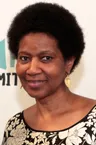
Portrait of Phumzile Mlambo-Ngcuka, South AfricaContemporary

Phumzile Mlambo-Ngcuka

South Africa · 1955–present

South African politician and activist who became the first female Deputy President of South Africa (2005–2008) and served as Executive Director of UN Women (2013–2021). She has championed the Generation Equality Forum and the global women's rights agenda.

Women's rightsPolitical leadership +2
Portrait of Sahle-Work Zewde, EthiopiaContemporary

Sahle-Work Zewde

Ethiopia · 1950–present

Ethiopia's first female president, elected in 2018. A career UN diplomat who served as Director-General of UNON in Nairobi, she brought decades of international experience to a role that, while ceremonial, carries enormous symbolic weight.

DiplomacyWomen's leadership +2
Portrait of Samia Suluhu Hassan, TanzaniaContemporary

Samia Suluhu Hassan

Tanzania · 1960–present

Tanzania's first female president, sworn in March 2021 after the death of John Magufuli. She shifted the country's COVID response, reopened diplomatic relations, and liberalised the media.

Political leadershipDemocracy +2
Portrait of Specioza Wandira-Kazibwe, UgandaContemporary

Specioza Wandira-Kazibwe

Uganda · 1955–present

Ugandan doctor and politician who became Africa's first female vice president when she was elected to that office in 1994. She served for ten years, championing public health and women's rights from one of the continent's highest political positions.

Political leadershipPublic health +2
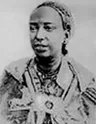
Portrait of Taytu Betul, EthiopiaColonial

Taytu Betul

Ethiopia · 1851–1918

Empress of Ethiopia (1889–1913) who co-ruled with Menelik II. Key figure in the Battle of Adwa and in resisting Italian colonisation; founded Addis Ababa.

Sovereignty & independenceAnti-colonial resistance +2
Portrait of Yaa Asantewaa, GhanaColonial

Yaa Asantewaa

Ghana · 1840–1921

Queen Mother of Ejisu who led the Ashanti army against British colonial forces in the War of the Golden Stool, one of the last major anti-colonial wars in West Africa, led by a woman.

Anti-colonial activismSovereignty & independence +1