African Women Who Fought for Economic Reform

5 women in the archive worked for economic reform. They came from different countries and different centuries, but each of them saw a wrong that others accepted and set out to change it. Read their stories to see how the same cause looked from very different lives.

5 women in the archive

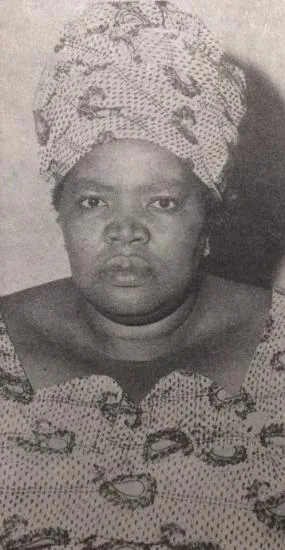
Portrait of Elisabeth Domitien, Central African RepublicModern

Elisabeth Domitien

Central African Republic · 1925–2005

Businesswoman and politician who in 1975 became Prime Minister of the Central African Republic, the first woman ever to lead a government anywhere in Africa, and who lost the job within a year for telling Bokassa to his face that he should not crown himself emperor.

Women's political leadershipPolitical rights +1
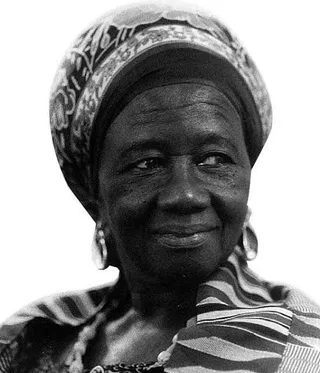
Portrait of Esther Afua Ocloo, GhanaColonial

Esther Afua Ocloo

Ghana · 1919–2002

Ghanaian entrepreneur and pioneer of microfinance who co-founded Women's World Banking, dedicating her life to ensuring poor women had access to credit and economic opportunity.

Economic reformWomen's rights +2
Portrait of Folorunṣo Alakija, NigeriaContemporary

Folorunṣo Alakija

Nigeria · 1951–present

Nigerian businesswoman, philanthropist, and one of Africa's wealthiest women, who built a fashion empire before entering the oil industry, and now dedicates her wealth to education and poverty alleviation through the Rose of Sharon Foundation.

Economic reformWomen's leadership +2
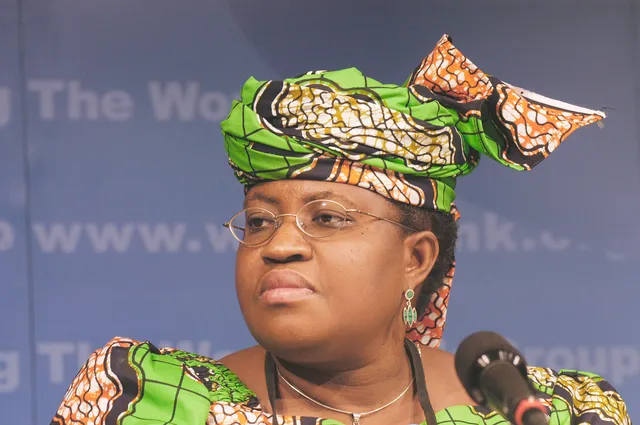
Portrait of Ngozi Okonjo-Iweala, NigeriaModern

Ngozi Okonjo-Iweala

Nigeria · 1954–present

Nigerian-American economist who became the first woman and first African Director-General of the WTO. Former Nigerian Finance Minister and World Bank Managing Director.

Economic reformTransparency & anti-corruption +2
Portrait of Sylvie Kinigi, BurundiContemporary

Sylvie Kinigi

Burundi · 1953–present

Economist who became Burundi's first female Prime Minister in 1993, survived the coup that killed the president three months later, and as acting head of state held a shattered government together long enough to hand power back to an elected successor.

Women's political leadershipPeace & reconciliation +2